
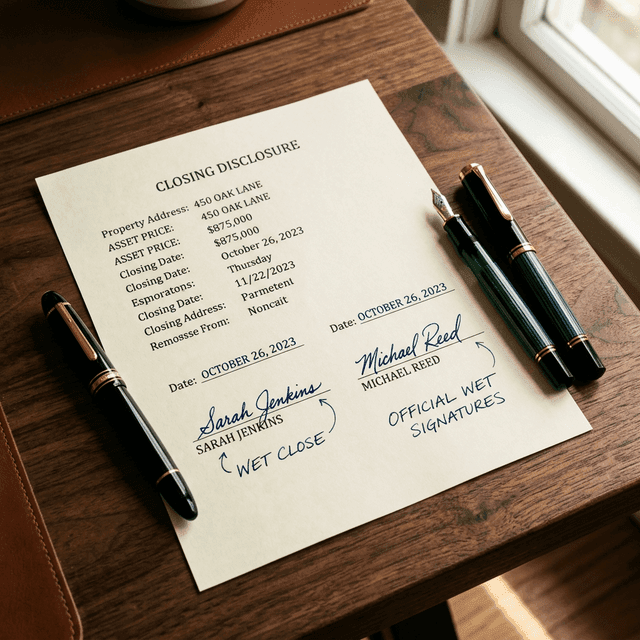
What is the difference between a dry close and a wet close? A traditional closing process in a real estate transaction is called a “wet close.” This means that all closing requirements have been met, all paperwork has been completed, the parties involved are signing the closing documents at the title company, and the funding
Introduction
A traditional closing process in a real estate transaction is called a “wet close.” This means that all closing requirements have been met, all paperwork has been completed, the parties involved are signing the closing documents at the title company, and the funding occurs the day of signing. Our closing costs explained guide breaks down what those line items look like. The buyer can take possession of the new property and the lender has released loan funds to the seller.
Dry Closing
Real estate professionals and lenders prefer a wet closing. It marks a completed closing process. However, not all real estate transactions work out this way. There are several instances in the real estate transaction that may delay the lender from releasing loan funds. This is called a dry closing. In a dry closing transaction, both real estate parties involved have decided to continue with the closing process, but agree that funds will be released at a later time. When funding occurs, the buyer can take possession of their new property. Dry closings assure lenders that the transaction will continue moving forward and mortgage funds are received by escrow.
Typically closing documents will be signed, as scheduled, by the parties involved. Both parties will sign all the paperwork required in the real estate closing process. At this time, the funds may be approved by the lender and are promised to the seller.
Dry Closing Occurs Because:
- The buyer had not satisfied all conditions of the lender. This may mean that additional paperwork or that the lender may need to retrieve information about the property or the buyer.
- There may also be documentation problems. The lender may have missed placed paperwork sent to them by the buyer or real estate investor.
- Lenders may also want extra time to review the mortgage transaction before releasing loan funds.
- The purchase of the new property is contingent on selling an old property. A buyer of a transaction may also be the seller in a different real estate transaction. Proceeds from the sale of the former property will need to be used as the down payment for the new property. Review our guide on prepaid costs at closing.
- The seller has not met the lender’s requirements. Depending on the loan type, different loan programs require properties to be sold in a certain condition (see FHA loan and VA loan property requirements). If the seller has not updated the property to meet the funding condition, funding may be delayed.
Ready to take the next step on your home loan?
See custom loan scenarios tailored to your budget in minutes with a licensed Texas loan officer.
Get startedIs Dry Closing Legal?
The short answer to that question is, it depends. Most states require wet closings and are also known as wet funding states – The ink is wet when the property changes ownership and funds change hands. This needs to happen within two business days of closing. Most states, lenders and real estate professionals prefer a wet closing, even if they allow dry closings.
The Dry Closing States:
- Alaska
- Arizona
- California
- Hawaii
- Idaho
- Nevada
- New Mexico
- Oregon
- Washington
These states allow for the ink to be dry before funding has occurred. This still means that all the paperwork has been signed and the funds have been approved for the real estate transaction. This option helps give confidence to both parties that the real estate property will be legally sold.
In Summary
Whether you are a real estate investor purchasing an investment property, or your a first time homebuyers with your very first home purchase, all involved parties need to understand if you are dry funding or wet funding. Most Title Companies will take care of this while lenders focus on the loan documents. Review your Loan Estimate document and walk through our mortgage process for what to expect.
Every borrower's situation is unique. The guidelines above are general, so speak with a licensed loan officer about how they apply to you.
Ready to take the next step on your home loan?
Tell us your budget and a licensed loan officer will show you the options that fit it.
Get started